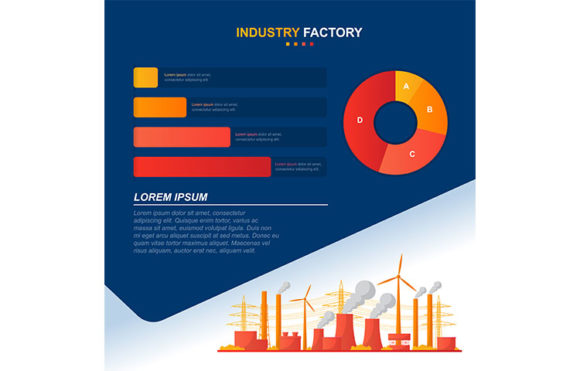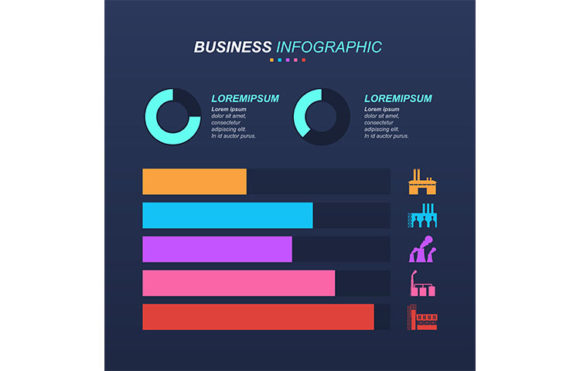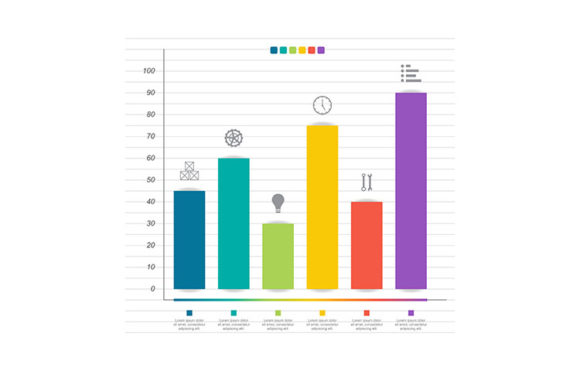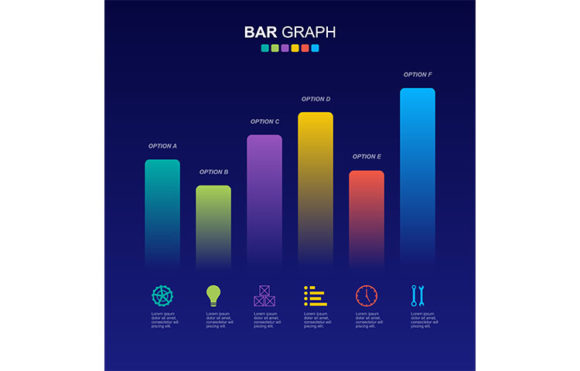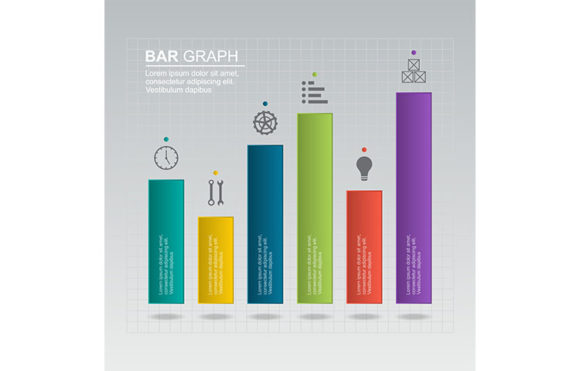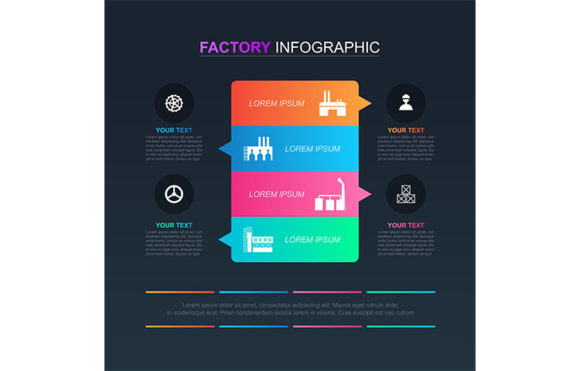
Diagram Analytics Factory Industrial: Visualizing Complex Business Data
In the modern landscape of industrial management and economic reporting, clarity is often the first casualty of complexity. Stakeholders, investors, and operational teams are frequently inundated with spreadsheets and raw datasets that obscure rather than reveal critical insights. This is where the Diagram Analytics Factory Industrial concept becomes indispensable. It represents more than just a collection of shapes; it is a structured visual language designed to translate intricate manufacturing processes, supply chain logistics, and financial metrics into digestible, actionable intelligence.
For professionals tasked with communicating high-level strategies or granular operational details, utilizing a dedicated option scheme chart or graph diagram is not merely an aesthetic choice—it is a functional necessity. These visual assets bridge the gap between technical engineering data and executive decision-making. By leveraging high-quality vector resources created in Adobe Illustrator, businesses can ensure their communications remain sharp, scalable, and professionally aligned with corporate branding standards.
The Strategic Role of Industrial Infographics
To understand the value of these diagrams, one must first recognize the specific challenges inherent in industrial analytics. Unlike general business infographics, factory and industrial diagrams must account for physical workflows, machinery hierarchies, and safety protocols alongside traditional economic indicators. A standard pie chart cannot adequately represent a production line bottleneck, nor can a simple bar graph illustrate the interdependencies of a global supply chain.
The Diagram Analytics Factory Industrial framework addresses this by integrating multiple layers of information into a cohesive visual narrative. When properly executed, these graphics serve several strategic functions:
- Process Transparency: They map out the flow of materials and information, making inefficiencies immediately visible to management.
- Stakeholder Alignment: They provide a common visual reference point that allows engineers, marketers, and financiers to discuss performance without getting lost in translation.
- Trend Identification: Through option scheme charts, users can visualize potential scenarios and outcomes, facilitating better risk management and forecasting.
- Educational Onboarding: New employees can grasp complex facility layouts and operational standards faster through visual aids than through text-heavy manuals.
Anatomy of Effective Option Scheme Charts
Among the various tools available within this visual ecosystem, the option scheme chart deserves special attention. In an industrial context, "options" rarely refer to simple binary choices. Instead, they represent branching pathways in production, alternative sourcing strategies, or contingency plans for equipment failure. An effective option scheme chart uses distinct color coding, directional flow lines, and hierarchical grouping to make these alternatives clear at a glance.
When evaluating or creating these diagrams, look for modularity. The best industrial graphics are built with interchangeable components. This allows analysts to update specific sections—such as changing a supplier node or updating a throughput metric—without redesigning the entire infographic. This flexibility is crucial in fast-paced manufacturing environments where conditions change daily.
Technical Considerations: Vector EPS vs. High-Resolution JPEG
A significant portion of the utility derived from Diagram Analytics Factory Industrial assets comes from their technical format. Understanding the difference between vector EPS and raster JPEG formats is essential for maintaining professional quality across different media channels.
The Power of Vector EPS
Vector graphics, typically delivered in EPS (Encapsulated PostScript) format, are mathematically defined paths rather than pixel grids. This distinction offers profound advantages for business users:
- Infinite Scalability: Whether you are printing a small label for a machine control panel or creating a massive banner for a trade show booth, vector graphics remain perfectly crisp. There is no pixelation or blurring.
- Editability: Because they are created in Adobe Illustrator, EPS files allow designers to modify colors, stroke weights, text content, and layout elements directly. This makes them living documents rather than static images.
- File Size Efficiency: Despite containing complex geometric data, vector files are often significantly smaller than high-resolution raster images, making them easier to store, share, and embed in digital reports.
When to Use High-Resolution JPEG
While vectors are superior for editing and print, high-resolution JPEGs play a vital role in digital distribution. They are universally compatible, requiring no specialized software to view. For email newsletters, web-based dashboards, or quick presentations where editing is not required, a high-res JPEG ensures the visual fidelity remains intact on high-density screens. However, users should always retain the master EPS file to future-proof their assets against changing display technologies.
Real-World Applications Across Industries
The versatility of industrial analytics diagrams extends far beyond the factory floor. Various sectors benefit from adapting these visual frameworks to their specific needs.
Manufacturing and Operations
In core manufacturing, these diagrams are used for Lean Six Sigma documentation, value stream mapping, and OEE (Overall Equipment Effectiveness) tracking. A well-designed graph diagram can highlight the correlation between maintenance schedules and downtime, prompting proactive interventions that save millions in lost productivity.
Supply Chain and Logistics
Global logistics networks rely on option scheme charts to model routing alternatives. When geopolitical issues or natural disasters disrupt standard shipping lanes, planners use these visuals to simulate new routes, calculate cost implications, and communicate changes to clients instantly. The ability to visualize the network topology helps identify single points of failure before they become crises.
Business Consulting and Finance
Consultants analyzing industrial clients use these infographics to present audit findings. Rather than listing twenty pages of observations, a comprehensive Diagram Analytics Factory Industrial visualization can summarize the current state, the identified gaps, and the proposed roadmap in a single slide. This density of information respects the client’s time while demonstrating thorough analytical rigor.
Evaluating Suitability for Your Project
Not every project requires a complex industrial diagram. To determine if this asset type is appropriate for your needs, consider the following evaluation criteria:
- Data Complexity: If your data involves more than three variables or non-linear relationships, a standard chart will likely fail. Industrial diagrams excel at multivariate storytelling.
- Audience Expertise: Are you presenting to specialists who appreciate technical detail, or generalists who need simplified takeaways? These diagrams can be layered to serve both, but they require thoughtful design to avoid overwhelming non-experts.
- Update Frequency: If the underlying data changes weekly, ensure you have access to editable vector source files. Static images become liabilities when they quickly go out of date.
- Brand Consistency: Industrial diagrams often have a distinct, technical aesthetic. Ensure this aligns with your broader corporate identity, or budget for customization to adapt the style to your brand guidelines.
Best Practices for Implementation
Acquiring a high-quality graphic is only the first step. Maximizing its impact requires adherence to information design principles. First, prioritize hierarchy. Not all data points are equally important; use size, color saturation, and placement to guide the viewer’s eye to the most critical insights first. Second, maintain consistency in iconography and terminology. Mixing metaphors or using inconsistent symbols creates cognitive load that undermines the diagram's purpose.
Finally, always pair your Diagram Analytics Factory Industrial visuals with concise narrative context. While the goal is to reduce text dependency, a brief caption or legend is often necessary to anchor the viewer’s understanding. The most successful infographics function as a partnership between visual structure and verbal explanation, each reinforcing the other to create a complete picture of economic and operational reality.
By treating these diagrams as strategic communication tools rather than mere decoration, organizations can unlock deeper insights, foster better collaboration, and drive more informed decision-making. Whether rendered in precise vector EPS for detailed analysis or high-resolution JPEG for broad dissemination, these visual assets remain fundamental to navigating the complexities of modern industry.