Vaccine Icon: Designing Effective Medical Visuals
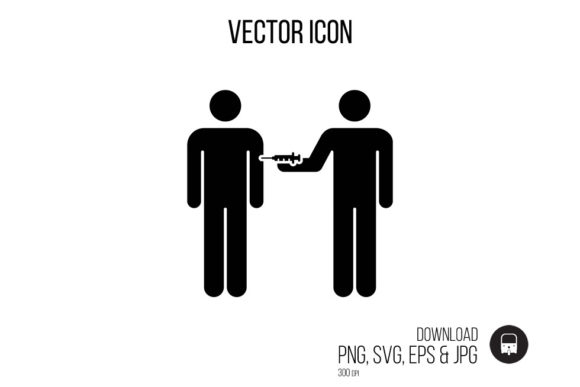
In the complex landscape of healthcare communication, clarity is not just an aesthetic preference; it is a functional necessity. The vaccine icon serves as one of the most critical visual anchors in modern medical design, bridging the gap between clinical procedures and public understanding. When designers utilize a comprehensive vector set featuring injection syringes alongside male and female person symbols, they are doing more than decorating a page. They are creating a universal language that transcends literacy barriers and cultural differences. This specific combination of imagery transforms abstract medical concepts into tangible, actionable information for patients and stakeholders alike.
The true utility of this glyph pictogram illustration lies in its versatility across formats. Whether you are working with scalable SVG files for responsive web interfaces, high-resolution EPS vectors for large-format print, or optimized PNG and JPG assets for social media campaigns, the core message must remain consistent. A well-crafted vaccine icon does not merely represent a needle; it represents safety, prevention, and demographic inclusivity. For creators and marketers, understanding how to leverage these assets effectively can determine the success of a public health initiative or a private medical service launch.
The Strategic Value of Inclusive Glyph Design
Visual representation in healthcare has evolved significantly. Gone are the days when a generic silhouette sufficed for all patient demographics. Modern audiences expect and require representation that reflects their reality. Integrating distinct male and female person symbols within your vaccine icon library is a practical application of inclusive design principles. This specificity matters because it allows healthcare providers to tailor messaging to specific groups without alienating others. For example, a campaign targeting maternal health can utilize the female symbol paired with the syringe to create immediate relevance, while general immunization drives can use alternating or combined glyphs to signal universal care.
From a user experience perspective, this level of detail reduces cognitive load. When a patient scans an infographic or a clinic signage system, they are often under stress or processing complex verbal instructions simultaneously. Recognizable human figures paired with medical tools provide instant contextual cues. This is particularly vital for multilingual communities where text-heavy materials may fail. By anchoring your design in clear, gender-specific iconography, you ensure that the visual hierarchy supports comprehension rather than competing with it. Designers should view these icons not as static clip art but as active components of a broader accessibility strategy.
Selecting the Right File Format for Your Medium
Technical proficiency is as important as creative vision when deploying medical graphics. Understanding the distinct advantages of each file format ensures your vaccine icon maintains integrity across every touchpoint. Vector formats like SVG and EPS are non-negotiable for professional design work. SVGs offer infinite scalability without pixelation, making them ideal for responsive websites where the same asset might appear as a 24-pixel button icon or a full-width hero graphic. Furthermore, SVG code can be manipulated directly via CSS, allowing developers to change colors or stroke widths dynamically based on user interaction or dark mode settings.
Conversely, raster formats like PNG and JPG serve specific, practical purposes in digital marketing and content creation. PNG files with transparent backgrounds are essential for overlaying icons onto photographs, colored backgrounds, or complex UI cards without unsightly white boxes. They preserve the crisp edges required for small-scale readability. JPGs, while less flexible due to compression artifacts and lack of transparency, remain useful for email newsletters and legacy systems where file size and compatibility are primary concerns. Smart creators maintain a master vector file for editing and export derived raster versions only as needed for specific deployment contexts.
Creative Applications Across Digital and Print
The application of vaccine icons extends far beyond standard warning labels or appointment reminders. In web and UI design, these glyphs function as navigational aids and status indicators. Consider a patient portal dashboard: a subtle syringe icon next to a calendar date communicates "upcoming vaccination" more efficiently than a paragraph of text. When designing forms, using male and female icons as selectable options for biological sex or gender identity can streamline data entry and reduce form fatigue. The key is consistency; establish a visual weight and stroke style that matches your typography and overall brand system so the medical imagery feels integrated rather than pasted on.
For infographics and educational materials, the narrative potential of these icons is substantial. You can construct visual timelines showing vaccination schedules by linking person symbols with age-appropriate markers. Data visualization becomes more human-centric when statistics are represented through repeated icon arrays rather than abstract bar charts. Seeing ten female figures highlighted to represent a percentage creates an emotional resonance that a simple number cannot achieve. In print projects like brochures or posters, the high fidelity of EPS vectors ensures that even intricate details within the glyph remain sharp at physical scale, maintaining professional credibility in clinical waiting rooms and community centers.
Maintaining Clarity and Professional Standards
While creativity is encouraged, medical design operates within strict boundaries of accuracy and tone. The primary goal of any vaccine icon is unambiguous communication. Avoid overly stylized or abstract interpretations that might confuse the viewer about the nature of the procedure. A syringe should look like a syringe, not a decorative flourish. Test your icons at various sizes to ensure legibility; if the distinction between male and female symbols disappears at 32 pixels, the design needs refinement. Negative space management is crucial here to prevent visual clutter, especially when combining multiple elements into a single composite mark.
Ethical considerations also play a role in effective execution. Ensure that the depiction of the injection process is neutral and non-threatening. Aggressive angles or exaggerated needle sizes can trigger anxiety in needle-phobic individuals. Opt for balanced compositions that suggest care and precision rather than force. Additionally, verify that your chosen icon set adheres to current medical standards and cultural sensitivities. What reads as "medical" in one context might be misinterpreted in another. Grounding your creative choices in research and user testing transforms aesthetic decisions into evidence-based design solutions that genuinely serve the public good.
Building Cohesive Visual Systems
Individual icons rarely exist in isolation. Successful projects rely on systematic thinking where the vaccine icon relates logically to other medical and interface symbols. Establish a grid system and stroke width standard before beginning production. If your syringe uses a 2px stroke, your accompanying person symbols and supplementary graphics must match exactly. This uniformity creates a sense of trust and professionalism that users subconsciously associate with competent healthcare. When sourcing or creating variations, prioritize sets that share this underlying geometric DNA over mixing disparate styles that create visual dissonance.
Documentation is the final, often overlooked step in professional icon usage. Create a style guide that specifies which version of the vaccine icon to use in different contexts. Define minimum clear space, approved color palettes, and prohibited modifications. This prevents well-meaning team members from stretching, recoloring, or distorting the assets in ways that compromise their effectiveness. By treating your icon library as a governed design system rather than a folder of loose images, you ensure long-term consistency across campaigns, platforms, and teams. This disciplined approach to creativity ultimately yields the most impactful results for both designers and the audiences they serve.