Evaluating the Creative Solution Vertical Flyer Polygon for Modern Business Design
Selecting the right visual framework for corporate communication requires balancing aesthetic impact with functional utility. The Creative Solution Vertical Flyer Polygon represents a specific niche within graphic design resources, combining abstract geometric styling with practical business formatting. For professionals aged 20 to 50 who are tasked with creating marketing collateral, reports, or event materials, understanding the specific capabilities and limitations of this template type is essential before committing to a download. Unlike generic minimalist templates or highly illustrative designs, this polygon-based approach offers a distinct structural advantage for organizing complex information while maintaining a modern, professional appearance.
Defining the Polygon Aesthetic in Corporate Contexts
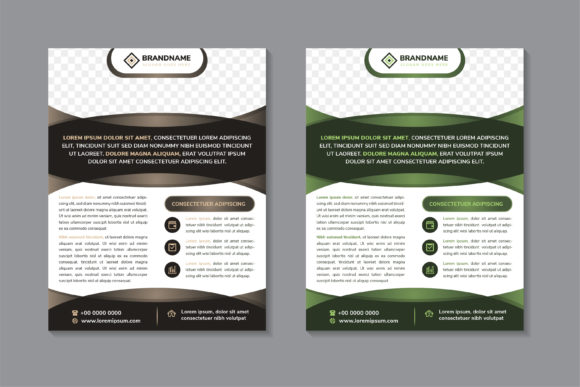
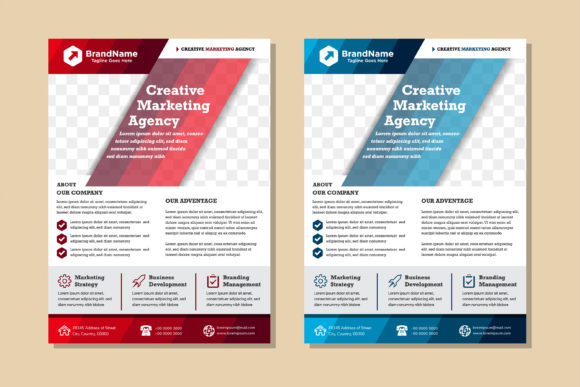
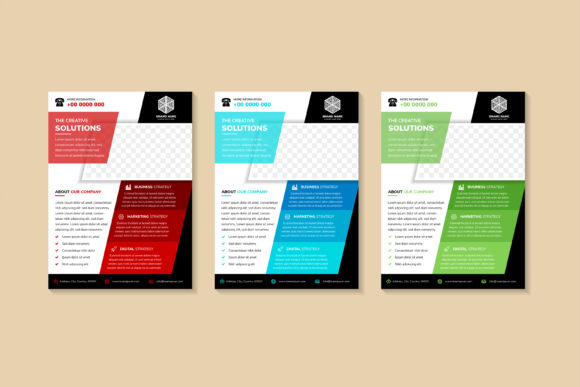
The core distinction of the Creative Solution Vertical Flyer Polygon lies in its use of angular, low-poly geometry rather than organic curves or flat color blocks. This style utilizes intersecting planes and sharp lines to create depth and movement on a static A4 page. In a business context, this geometric abstraction serves a dual purpose: it captures attention through visual complexity while remaining neutral enough to support various content types. The specific color palette—red, blue, green, and black elements against a white background—is not merely decorative; it provides built-in semantic coding. Red can denote urgency or key metrics, blue often communicates trust and corporate stability, green suggests growth or sustainability, and black anchors the design with text and structure.
When comparing this to standard corporate templates, the polygon style avoids the sterility often associated with traditional business layouts. However, it also avoids the chaos of grunge or hand-drawn aesthetics. It sits in a "structured dynamism" category that is particularly effective for technology firms, architectural practices, engineering consultancies, and innovative startups. If your organization relies on clean lines and precision, this visual language reinforces those brand attributes subconsciously. Conversely, if your brand identity is rooted in softness, wellness, or organic traditions, the sharp angles of a polygon template may create cognitive dissonance with your messaging.
Technical Specifications and Workflow Efficiency
Beyond aesthetics, the decision to use this resource often hinges on technical adaptability. The Creative Solution Vertical Flyer Polygon is engineered as a 100% vector asset at 300dpi resolution. This specification is critical for users who need to scale designs between digital and print formats without quality loss. Raster-based alternatives may look acceptable on screen but degrade significantly when printed on A4 paper or scaled up for signage. Vector fidelity ensures that the geometric edges remain crisp regardless of the output size.
The inclusion of AI, EPS, JPG, and SVG files addresses different stages of the production workflow:
- AI (Adobe Illustrator): Essential for deep editing, reshaping polygons, and adjusting global colors. This is the master file for customization.
- EPS: Provides compatibility for users on older software versions or alternative vector platforms like CorelDRAW or Affinity Designer.
- SVG: Increasingly vital for web integration, allowing the flyer design to be repurposed as responsive web graphics or social media assets without pixelation.
- JPG: Serves as a quick reference or proofing tool for stakeholders who do not have design software installed.
A significant tradeoff to consider is the learning curve associated with editing complex vector meshes. While the text and shapes are editable, manipulating polygon structures requires a moderate understanding of anchor points and pathfinder tools in Illustrator. Users accustomed to drag-and-drop builders like Canva may find direct vector editing challenging. However, for those comfortable with Adobe Creative Cloud, the organized layer structure of this template reduces setup time significantly compared to building a geometric composition from scratch.
Comparing Layout Approaches: Vertical vs. Horizontal vs. Modular
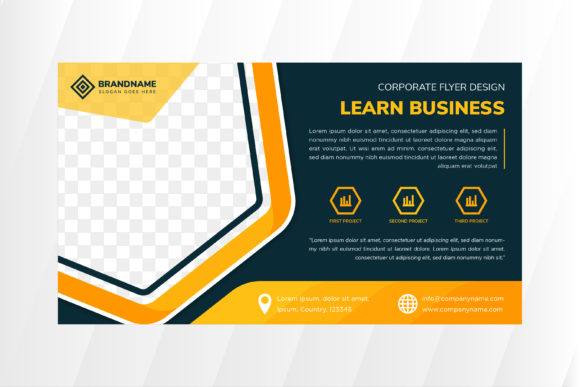
The vertical A4 layout of the Creative Solution Vertical Flyer Polygon is optimized for specific consumption patterns. When evaluating this against horizontal or modular alternatives, consider the end-user's environment. Vertical layouts align with mobile scrolling behavior and standard document handling, making them superior for handouts, digital downloads, and notice board postings. Horizontal layouts typically perform better for presentation slides or landscape-oriented digital displays.
Furthermore, the dedicated photo space in this template addresses a common pain point in abstract design: the lack of human connection. Purely geometric flyers can sometimes feel cold or impersonal. By integrating a designated area for photography, this template bridges the gap between abstract branding and tangible reality. This makes it more versatile than templates that are entirely illustrative. When comparing options, assess whether your content strategy relies heavily on product photography or team portraits. If so, this integrated approach saves time. If your communication is purely data-driven or typographic, you might prefer a template that maximizes negative space over image placeholders.
Best-Fit Scenarios and Practical Applications
Determining when the Creative Solution Vertical Flyer Polygon is the optimal choice involves analyzing your specific communication goals. This template excels in scenarios requiring a blend of creativity and professionalism:
- Tech Product Launches: The multicolored geometric elements mirror the complexity and innovation of software or hardware products.
- Corporate Annual Reports: The structured layout allows for clear hierarchy of information, while the abstract background prevents dense financial data from looking monotonous.
- Conference and Event Promotion: The vibrant red, blue, and green accents stand out in crowded physical environments or busy social media feeds.
- Educational Infographics: The polygon shapes naturally segment information, making them ideal for step-by-step processes or categorized data visualization.
In these contexts, the template acts as a visual organizer. The diagonal lines and angular shapes guide the eye through the content in a deliberate sequence, which is harder to achieve with symmetrical or grid-only layouts.
Limitations and When to Seek Alternatives
Despite its versatility, the Creative Solution Vertical Flyer Polygon is not a universal solution. Recognizing its limitations is as important as understanding its strengths. The bold geometric style can compete with intricate photography or dense body text. If your flyer requires extensive paragraphs of legal copy or highly detailed product specifications, the background elements may reduce readability unless carefully managed through opacity adjustments or masking.
Additionally, the specific color scheme, while editable, establishes a certain energy level. Rebranding these polygons to pastel or muted earth tones can sometimes result in a loss of visual impact, as the style relies on contrast to define its forms. If your brand guidelines strictly prohibit high-saturation colors or sharp angles, forcing this template to conform may require more effort than selecting a softer, organic alternative.
Users should also evaluate the "white background" constraint. While white offers maximum versatility and print cost-efficiency, some luxury or nightlife brands prefer dark mode aesthetics. Converting a white-background polygon template to dark mode involves more than just swapping the fill color; it requires rethinking shadow, highlight, and contrast relationships to maintain the 3D effect. If a dark theme is non-negotiable, seeking a natively dark template may be more efficient.
Making an Informed Resource Decision
Ultimately, the value of the Creative Solution Vertical Flyer Polygon depends on alignment between the asset’s inherent characteristics and your project requirements. It offers a robust middle ground between artistic expression and corporate restraint. For professionals seeking to elevate their print and digital materials without investing in custom illustration, this template provides a high-resolution, scalable foundation.
When making your final selection, weigh the following factors:
- Brand Alignment: Do angular, multicolored geometry and a white background complement your existing identity?
- Content Volume: Does the balance of photo space and text areas match your current copy and imagery assets?
- Technical Capacity: Do you or your team possess the vector editing skills to customize the organized layers effectively?
- Output Requirements: Will the 300dpi A4 format serve both your print and web distribution channels adequately?
By critically assessing these dimensions, you ensure that the chosen design resource serves as an accelerator for your workflow rather than a bottleneck. Whether for a brochure, leaflet, magazine insert, or web banner, the goal is to select a template that enhances clarity and engagement. The Creative Solution Vertical Flyer Polygon stands as a strong contender for modern business communications, provided its specific stylistic and technical parameters align with your strategic objectives. Careful evaluation of these elements will lead to more effective design outcomes and a more efficient creative process.